Highland: Physical Fencing vs Electronic Surveillance Comparison
In Highland, CA, construction sites often require physical fencing for liability and safety compliance. Base Line Temp Fence provides expert guidance on when physical barriers are necessary versus electronic surveillance for your specific project. With local knowledge of Highland's climate and zoning laws, we ensure your site meets all security requirements efficiently.
Physical Barriers vs Electronic Detection: Strategic Site Security
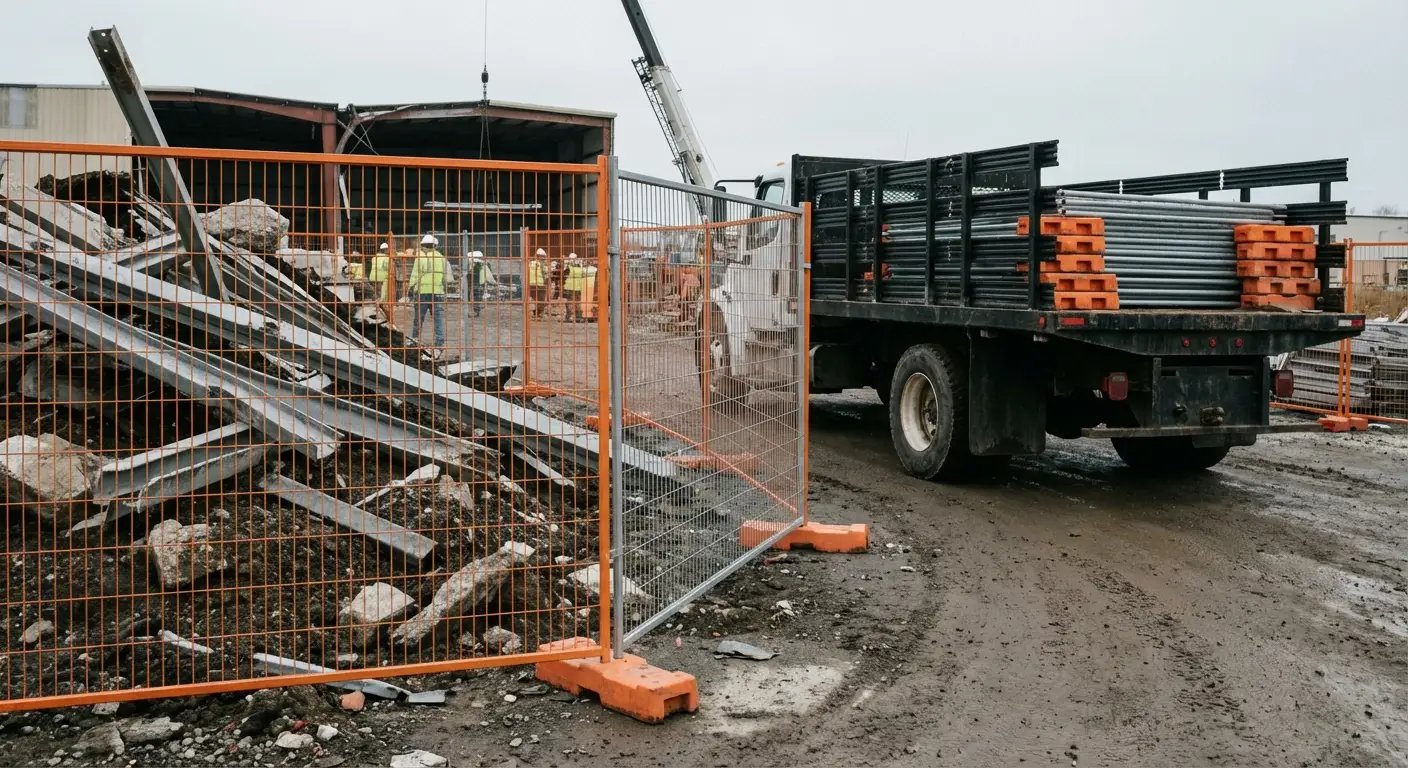
We've learned through decades of commercial security work that no single solution protects a site completely. Physical fencing provides immediate visual deterrence and physical obstruction, while electronic surveillance offers remote monitoring and rapid incident response. In Highland's variable climate — with high summer temperatures and occasional wind events — our fence designs account for environmental stress. The key is layering protection: robust temporary chain link panels combined with strategic sensor placement creates comprehensive site security that adapts to changing threats.
-
Evaluate site-specific security requirements
-
Compare physical fence coverage vs electronic monitoring zones
-
Assess environmental challenges for Highland region
-
Determine perimeter vulnerability points
-
Match security solution to site characteristics

Comparing Physical Fencing and Electronic Surveillance for Site Security in Highland, CA
We break down physical fencing versus electronic surveillance for secure Highland sites.
Electronic Surveillance: Monitoring with Real-Time Alerts
Combining Both: Layered Security for New Developments
Physical Fencing vs Electronic Surveillance in Highland, CA
Secure your Highland site with reliable temporary fencing solutions.
Physical fencing versus electronic surveillance for site security in Highland
Physical fencing sets the boundary first; electronic surveillance adds awareness, but never replaces a real barrier on active sites.
| Excluded Service | Reason for Exclusion | Alternative Provider |
|---|---|---|
|
Temporary chain link fencing
|
Creates a visible physical boundary that blocks entry, slows theft, and supports controlled access at active Highland jobsites. |
Use at ground level where access control matters most
|
|
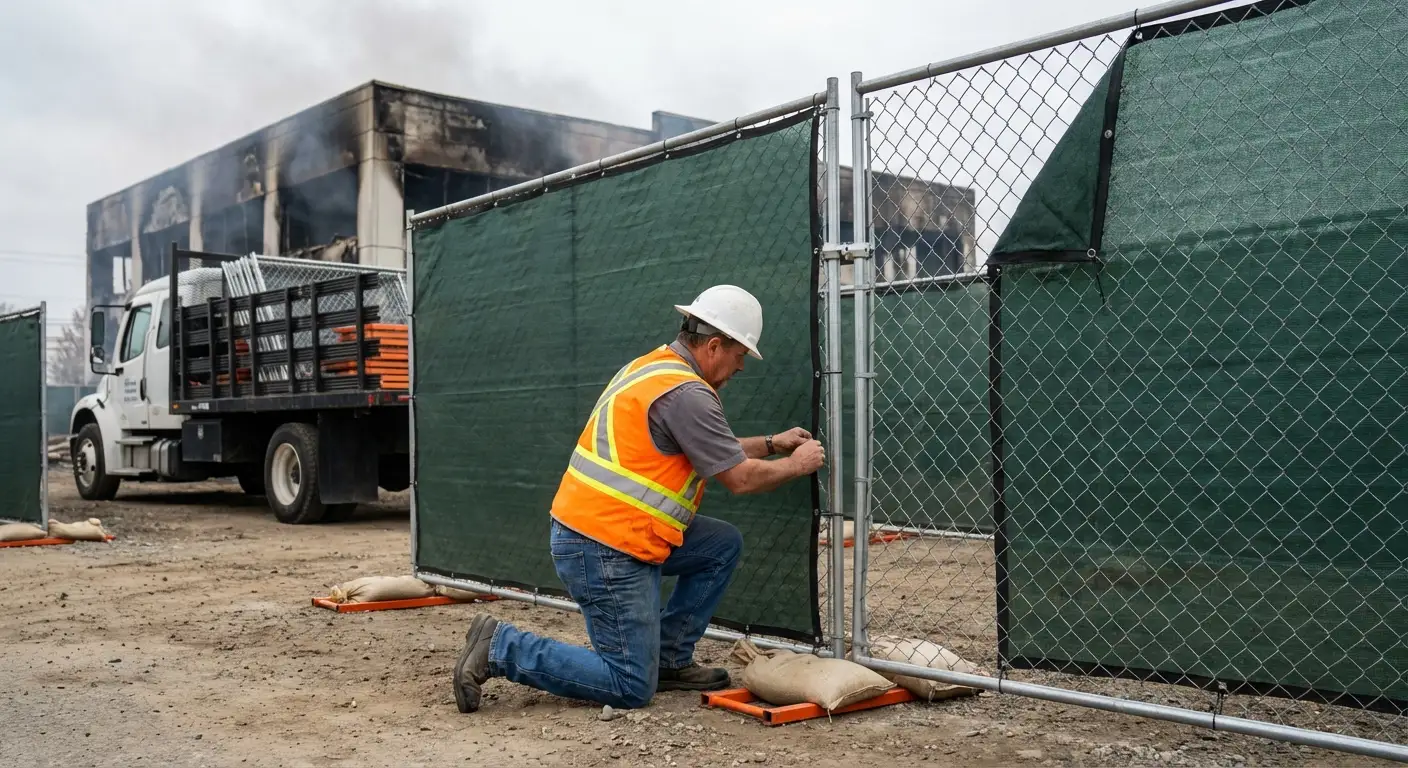
Privacy screening on fence lines
|
Reduces sightlines from adjacent streets and neighbors, limiting equipment exposure while keeping the site perimeter intact in hot, open conditions. |
Add near storage yards and street-facing edges
|
|
Gated entry points
|
Directs workers, vendors, and inspectors through one monitored opening, which electronic cameras alone cannot physically enforce during busy deliveries. |
Pair with lockable hardware and posted access rules
|
|
Perimeter monitoring support
|
Cameras detect movement after the fact, but fencing creates the first barrier and buys response time during evening and weekend exposure. |
Use surveillance as backup, not sole protection
|
|
Wind and weather stabilization
|
Hot, dry conditions and seasonal gusts make secure anchoring important; a physical fence stays effective when sensors lose coverage or power. |
Inspect anchors after high-wind days
|
Why Physical Barriers Outperform Electronics in Highland's Climate
After securing sites near the Highland Town Center through dust storms and heat waves, we know electronics fail when you need them most. Our steel-based systems won't glitch in 111°F heat like cameras do. For theft prevention that works day one without tech headaches, physical barriers deliver.
-
1
Tangible Deterrence
Physical fencing creates a visible barrier that psychologically discourages trespassers before they even attempt access.
Real World ExampleOur chain link panels in Stonewood visibly mark boundaries.
-
2
Environmental Resistance
Unlike electronic systems, our fences withstand Highland's 90°F+ days and Santa Ana winds without failure points.
Real World ExampleWind-resistant designs at The Village sites.
-
3
Immediate Deployment
We install physical barriers faster than configuring surveillance systems, crucial for rapid response needs.
Real World ExampleEmergency fencing up within hours.
-
4
Regulatory Compliance
Our fencing meets OSHA and local codes without the privacy concerns of electronic monitoring.
Real World ExampleSafety-compliant solutions near Lankershim schools.
Fencing that stands up when electronics shut down
Comparing Physical Fencing and Electronic Surveillance for Site Security
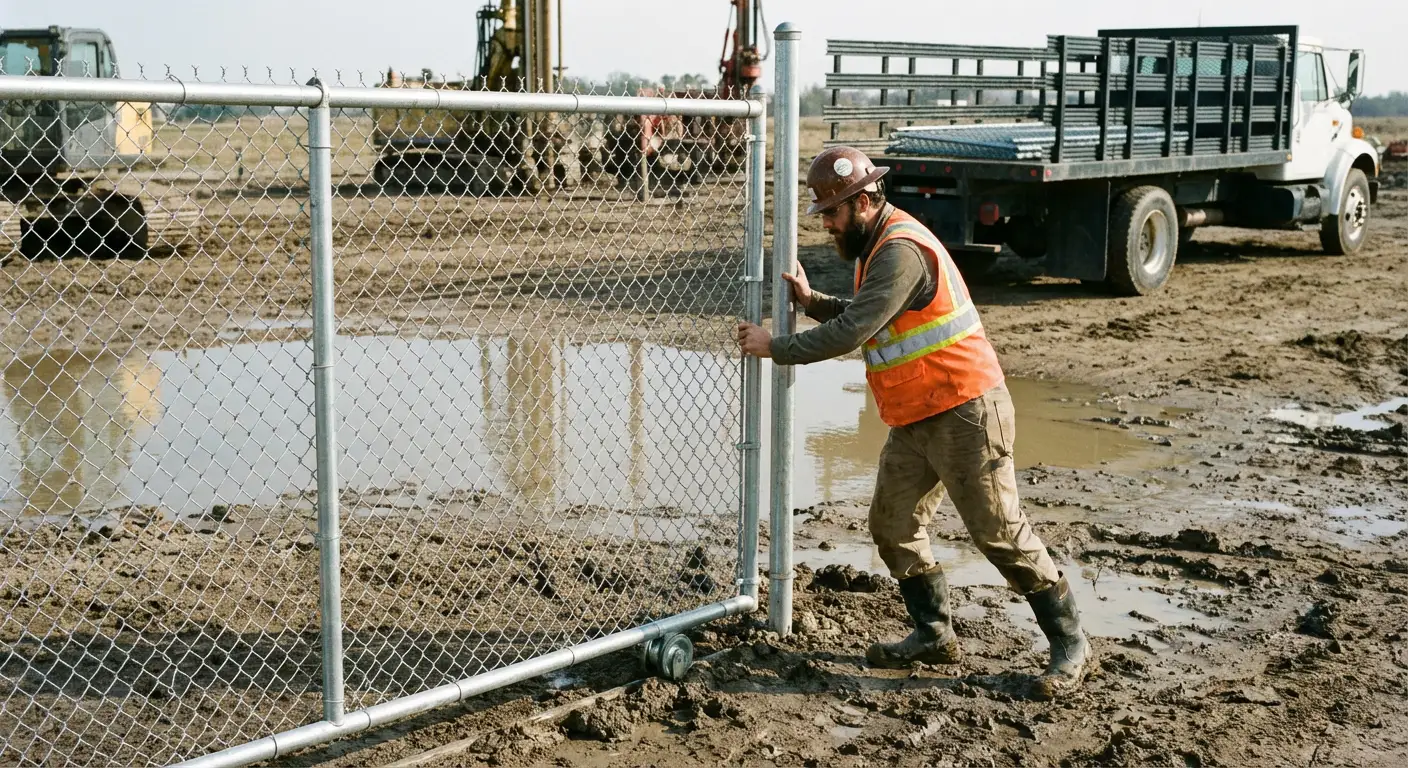
When securing a site in Highland, CA, I've seen firsthand how physical fencing holds up under the local climate—1989 cooling degree days and intense heat can degrade materials if they aren’t chosen right. Our crew trusts chain-link panels with wind-load resistance features to stand firm. On the other hand, electronic surveillance offers the advantage of monitoring activity remotely, but it depends heavily on reliable power and weatherproof cameras. For construction sites around the Highland Town Center or established neighborhoods like Cypress, physical fencing sets a hard boundary, while cameras catch what fences can’t block. Combining both is often the smartest route—fence first, then layer in surveillance for a solid security strategy.
Site Assessment Checklist
- Physical fencing provides a visible, physical barrier that deters unauthorized entry.
- Electronic surveillance offers real-time monitoring and recording capabilities.
- Fencing installation must consider local climate challenges like heat and low precipitation.
- Surveillance systems require power sources and protection against weather extremes.
- Combining fencing with surveillance enhances overall site security effectiveness.
- Physical barriers protect against immediate trespass while cameras catch and record incidents.
- Regular maintenance is essential for both fencing and electronic equipment to perform reliably.
Physical fencing improves perimeter control and visibility
Compare fencing and surveillance for Highland, CA sites. Physical barriers define boundaries, slow entry, and support OSHA-focused site control.
Serving Highland, CA with temporary fence solutions for active sites.
Physical Barriers vs. Electronic Detection
Field crews compare physical containment against electronic monitoring for securing job sites across Highland, CA, and surrounding neighborhoods.
Does physical fencing prevent unauthorized entry in Stonewood?
Chain link barriers provide immediate physical denial of access. Perimeter fencing stops intruders before they reach sensitive equipment near the Sam J. Racadio Library and Environmental Learning Center. Electronic sensors only detect movement after a breach occurs.
How does Highland heat affect electronic surveillance equipment?
Highland records 111 days above 90F. Extreme heat causes camera housing expansion and battery failure in wireless sensors. Physical fencing from Base Line Temp Fence remains unaffected by these temperature fluctuations during summer months.
Is fencing required for sites in the Highland Historic District?
Local zoning near The Village often mandates visible boundary markers. Physical barriers satisfy site perimeter requirements more effectively than cameras alone. Fencing creates a hard line that surveillance systems monitor for compliance.
Do flood zones impact security choices in Lankershim?
Low flood zones in Lankershim require stable ground for fence posts. Electronic components face short-circuit risks during heavy rain events. Heavy-duty fencing provides a consistent barrier regardless of local precipitation levels.
What is the main difference between barriers and sensors?
Fencing acts as a preventative measure. Electronic surveillance serves as a reactive measure. A site near 1950_1980 common residential structures needs physical separation to stop trespassing before sensors trigger an alarm.
Can cameras replace perimeter fencing on job sites?
Cameras provide visual data but lack physical stopping power. OSHA standards often require physical guarding around hazardous zones. Base Line Temp Fence installs hardware that physically restricts movement in ways software cannot.